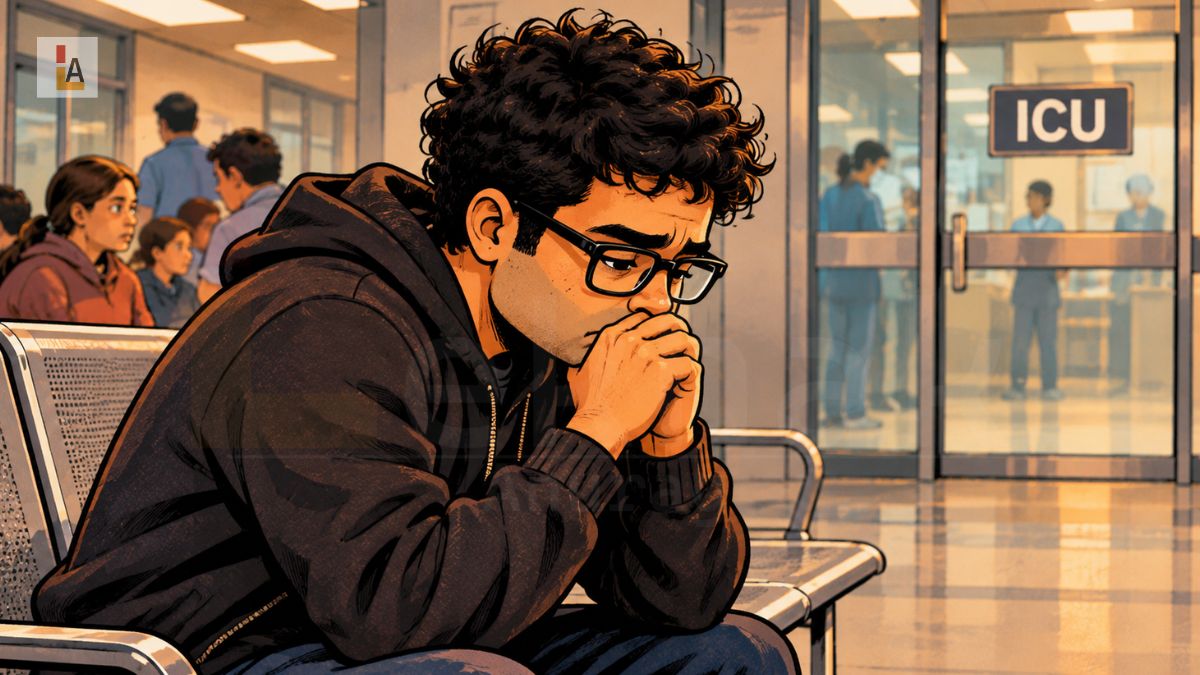
In less than a month, my mother went from doing household chores to being almost completely immobile. She had health issues, and her daily routine was not easy for her. But seeing her hooked up to machines was something I had never experienced before. What followed were thirteen days of hospital visits, frightening medical developments, financial uncertainty and a loneliness that has stayed with me long after her discharge.
Seven days before everything changed
A week before my mother was admitted to hospital, she was cooking food, washing clothes and cleaning utensils. Those who know us are aware that she was not particularly healthy. She had several medical conditions, and her mobility had been restricted for over two decades.
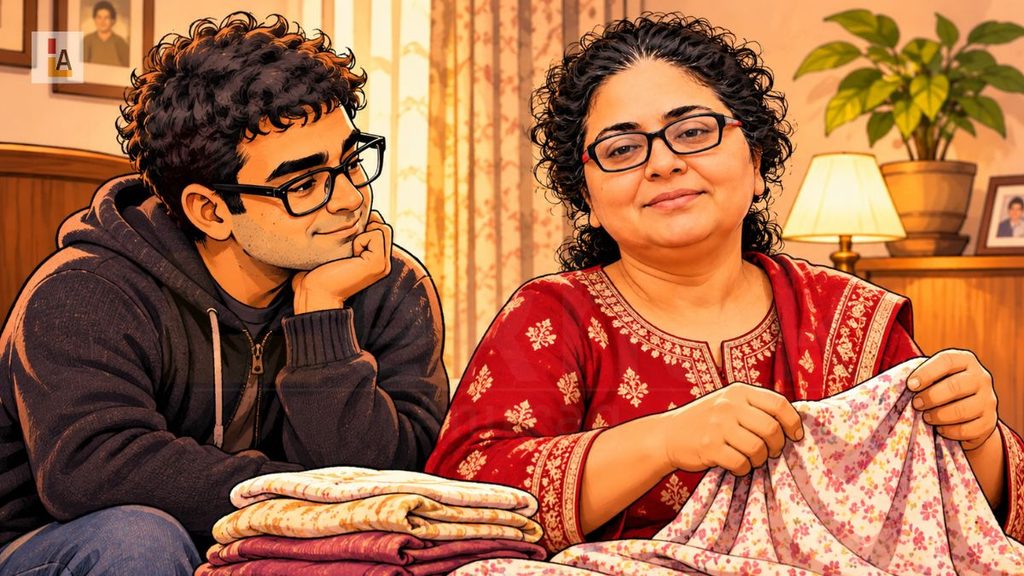
She would often sit on the bed while doing household chores, take frequent breaks and occasionally complain about pain and discomfort. However, she was managing and had strong willpower, which helped her carry on. Doctors had also advised her to keep moving, despite the pain, to prevent her body from becoming stiff. And she did. Despite brittle and weak bones, osteoporosis, back trouble, hypothyroidism, and heart and kidney issues, my mother worked hard to keep her body mobile. She was a fighter, she is a fighter and she will keep on fighting.
However, what has happened to her since 1st October has frightened me, broken me and left me in utter shock. I was accustomed to seeing her manage her daily life despite her limitations. Towards the end of September, she developed flu-like symptoms. Initially, there was nothing to suggest that we were approaching a medical emergency.
On 1st October, she began complaining of stiffness across her body. At first, it was mild. However, over the next three days, her condition deteriorated at a frightening pace. By 4th October, she had become almost completely immobile.
I could hardly believe what I was seeing. Just days earlier, she had been moving around the house and preparing meals. Now, even the smallest movement had become a struggle. She could not get out of bed independently, moving her limbs was difficult and painful, and even repositioning her caused considerable distress.
There had been no gradual decline over months, no long period during which we could prepare ourselves for the possibility that she might become bedridden. One week. That’s all it took for her to go from doing household chores to becoming completely bedridden. Within days of eating hot chapatis prepared by her, I was arranging an ambulance because she could not move at all.
I had no idea that the next thirteen days would become one of the most difficult periods of my life.
The journey from our home to the hospital
We live on the second floor of a building with a lift. Until 4th October, I had never seriously considered how difficult it might be to take someone from our home to a hospital if that person could no longer move independently.
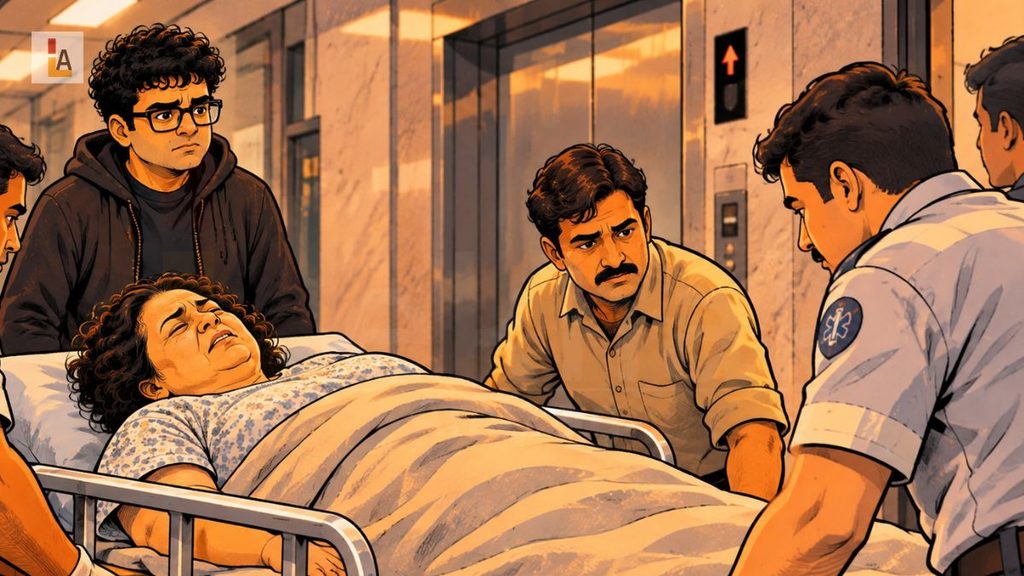
My mother was in considerable pain. She was also on the heavier side, which made lifting and repositioning her particularly difficult. The ambulance personnel arrived to take her to Alchemist Hospital in Panchkula. Their immediate challenge was getting her out of bed and into the lift.
I stood nearby as they tried to move her. Every attempt caused her pain. She screamed as they tried to lift and reposition her. The ambulance personnel were doing their best, but moving someone in her condition was not straightforward. I was panicking.
I could see that they needed to move her, but every time she cried out, I wanted them to stop. I knew that she needed medical attention urgently and that leaving her in bed was not an option. Yet watching her suffer while people tried to help her was unbearable.
Eventually, the ambulance personnel asked me to go downstairs. My panic was interfering with their work. They needed space to concentrate on moving her safely, and I was making an already difficult task harder. I understood their reasoning immediately and stepped away, but it was not easy to leave while my mother was crying in pain.
I went downstairs and waited. From there, I could still hear her screams. I knew they were trying to bring her down in the lift and that getting her to the hospital was the priority. But I could hear my mother screaming, and I could do absolutely nothing.
I could not go back upstairs without risking interference with the process. I could not make the pain stop or even stand beside her and hold her hand. All I could do was wait for the lift to come down.
While the ambulance personnel were struggling to bring my mother downstairs, I sent a message to my friend Nishkam. I was frightened by how quickly her condition had deteriorated and genuinely feared that she might not survive.
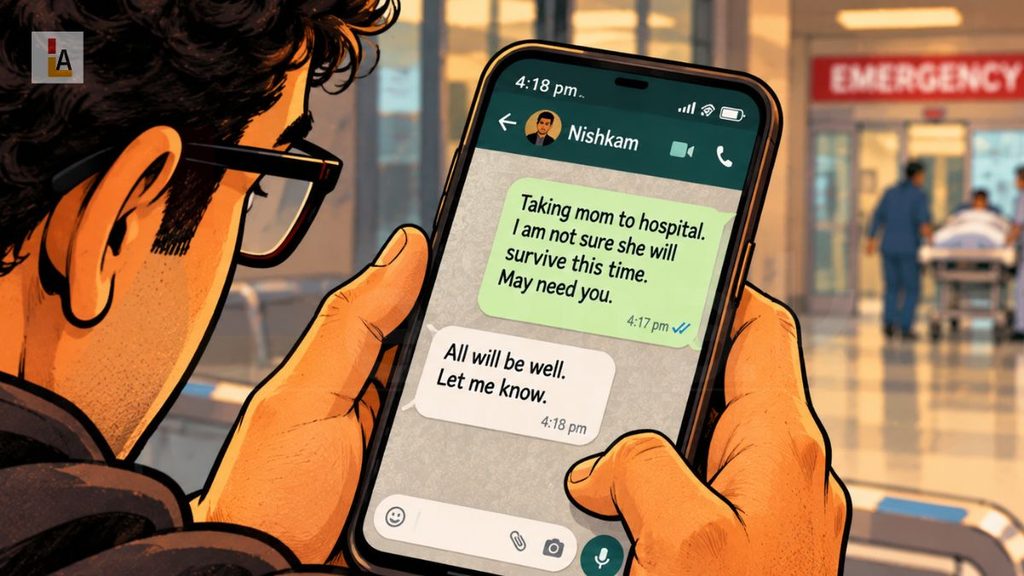
“Taking mom to hospital. I am not sure she will survive this time. May need you.“
His reply was simple: “All will be well. Let me know.“
I did not ask him to rush to the hospital, nor did I explain everything that was happening. I was too occupied with getting my mother there safely. But within twenty minutes of our arrival at Alchemist Hospital, Nishkam was there. He had understood the seriousness of the situation from those few words.
There was another person who helped us considerably that day. Avdesh, our house help, has been with our family for three years. He assisted the ambulance personnel in moving my mother, followed the ambulance to the hospital and waited outside the emergency department for around thirty minutes.
His concern did not end when he left the hospital. Throughout my mother’s hospitalisation, he asked about her well-being every day until she finally returned home. He had his own responsibilities, but he continued checking on her without being asked.
I remember these things because, during those frightening hours, practical help mattered more than reassuring words. Neither Nishkam nor Avdesh needed a lengthy explanation of what I was going through.
That moment downstairs has stayed with me. I have often thought about how helpless a person can become when someone they love is suffering. We imagine that we will be able to help, make decisions or at least offer comfort. Sometimes, however, the most useful thing you can do is get out of the way and let someone else take charge.
Eventually, they brought her downstairs. I watched as she was placed on the stretcher and moved towards the ambulance. Only days earlier, she had been doing household chores. Now she was lying on a stretcher, unable to move without assistance.
I watched her being taken inside the ambulance and followed as she was transported to the hospital. I had no idea what the doctors would say. Would she walk again? Why was she in so much pain? Why had her condition deteriorated so quickly? Was this temporary, or were we looking at something far more serious?
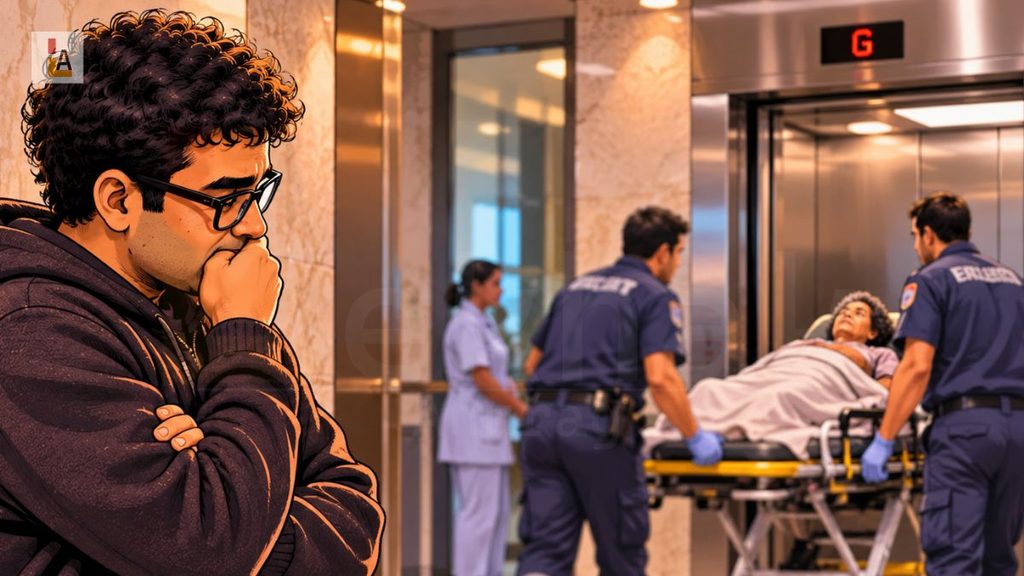
Thankfully, Alchemist Hospital had already been informed about her condition. The doctors were prepared to receive her, and the admission process went smoothly. But by the time she was admitted, I was already emotionally exhausted, and the difficult part had barely begun.
The lonely hours outside the ICU
My mother was admitted on 4th October and remained in hospital until 17th October. During those thirteen days, I developed a routine that I hope I never have to follow again.
I would wake up around six in the morning, go to the hospital, get myself a coffee and wait to meet the doctor. After discussing my mother’s condition, I would visit her in the ICU. The visiting time was approximately fifteen minutes, during which I would try to understand how she was feeling, whether she was in pain and what she needed.
I understand why ICUs restrict visiting hours. Patients need medical supervision, infection control and an environment in which doctors and nurses can work without unnecessary interruptions. But understanding the reason does not make walking away any easier.
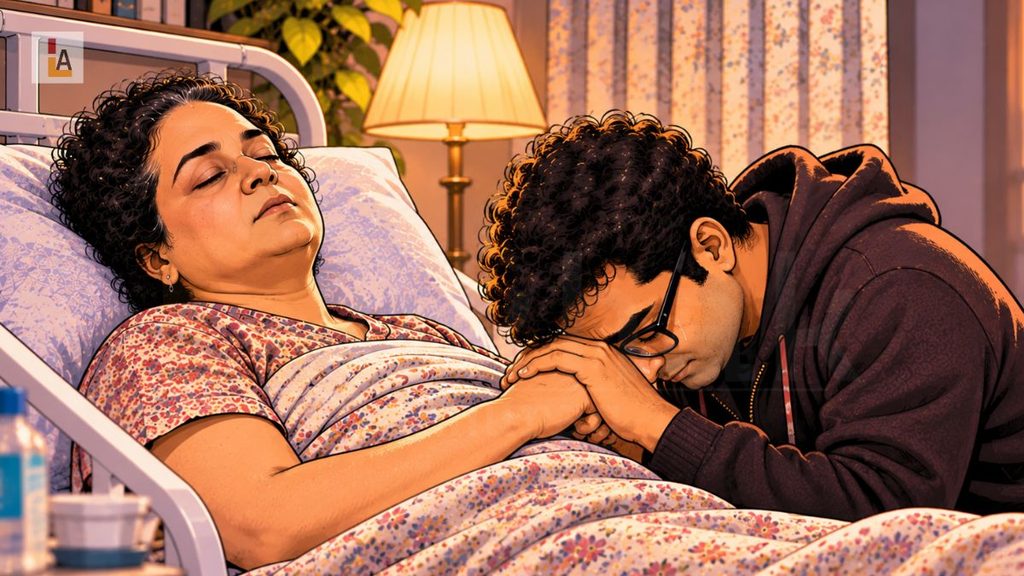
There were days when my mother was extremely agitated. She was in pain, her mobility was severely restricted, and she was surrounded by medical equipment and unfamiliar people. I wanted to spend more time with her. Sometimes, I simply wanted to sit beside her without saying anything. Instead, I had to leave when the visiting time ended.
I would walk out and sit somewhere in the hospital. Sometimes outside the ICU, sometimes outside the room of Dr Swati Garg, the neurologist treating my mother. At other times, I would find myself standing near the reception, trying to remember what I needed to ask.
There were occasions when I approached the reception desk and suddenly forgot why I had gone there. I would remember that I needed to telephone someone, only to realise later that I had completely forgotten. I forgot meals, small tasks and things that had seemed important only minutes earlier.
I have worked in journalism for years. Handling information, dealing with deadlines, speaking to people and processing complicated developments are all part of my professional life. Yet inside that hospital, I sometimes struggled to remember a simple question. It was frightening to realise how much the situation was affecting me mentally.
My mother underwent dialysis twice because of serious kidney-related complications. Further investigations identified severe nerve involvement, and the doctors treated her for a suspected Guillain–Barré syndrome (GBS) spectrum disorder. She subsequently received intravenous immunoglobulin (IVIG) treatment over five days.
I do not intend to turn this account into a medical case history. For me, every development meant another conversation with the doctors, another set of questions and another period of waiting. I would listen carefully, try to understand what was happening and then telephone my sister to update her.
There were days when I felt that all I had done was wait. Wait for the doctor, the ICU visiting time, test results or an update on my mother’s condition. Between all that waiting, I had to keep functioning because there were other responsibilities that could not be postponed.
I had started functioning like a robot
After the morning hospital visit, I would return home. I have health issues of my own, and spending the entire day at the hospital was physically difficult. I needed to rest for a couple of hours before returning in the evening.
The routine rarely changed. I would go to the hospital, wait for the doctor, visit the ICU, return home to rest and then go back for another visit. By the time I returned home again, I was exhausted.
There were medicines, documents, insurance formalities, financial arrangements and telephone calls to manage in between. I was doing things almost mechanically, moving from one responsibility to another without having much time to think about what was happening.

I had started functioning like a robot. I did not have the luxury of spending an entire day worrying about my mother because there was always something that needed to be done.
At one point, I tried to resume office work in between hospital visits. I thought I could manage both responsibilities, but instead, I developed a severe viral infection. I was already physically exhausted, and now I was ill myself.
The hospital visits could not simply stop. My mother was still in the ICU, the doctors still needed to be consulted, and there were decisions to be made and arrangements to be handled. I continued going to the hospital while dealing with my own illness.
There were moments when I wondered how much longer I could keep doing it. I was sleeping, but not resting properly. I was eating, but often only when I remembered. Even when I was home, my mind remained occupied with what might be happening inside the ICU.
The strangest part was that I could still carry out most of my responsibilities. From the outside, perhaps I looked as though I was managing reasonably well. Inside, I was exhausted.
When even remembering to eat became difficult
On the day my mother was admitted, Nishkam was with me. I had been so occupied with the ambulance, admission and everything that followed that eating was the last thing on my mind.
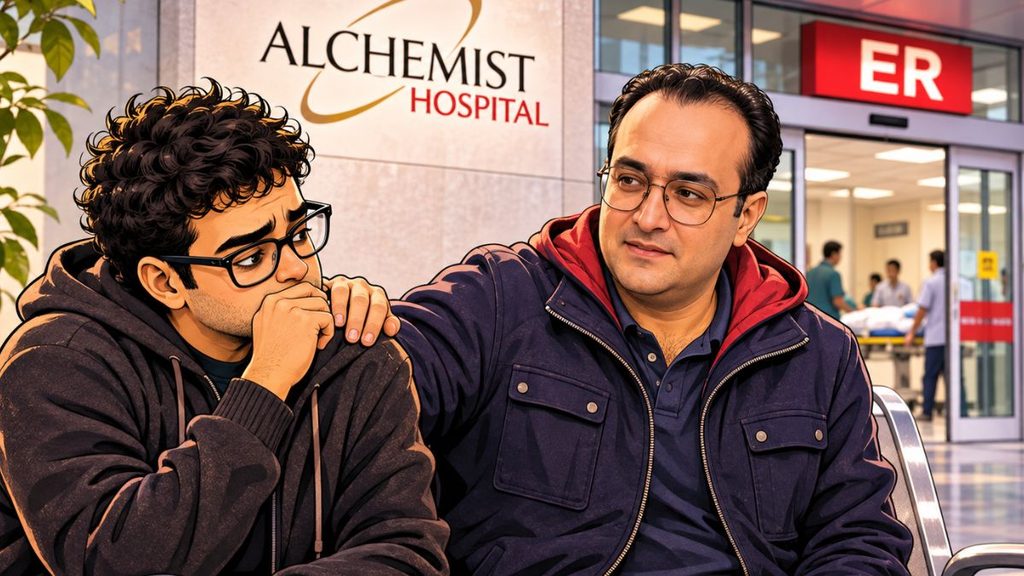
That evening, Nishkam practically forced me to eat at the Alchemist Hospital canteen. I did not particularly want food. I wanted to know what was happening to my mother, but he insisted. Looking back, I realise how important that small intervention was.
He understood that I was not thinking clearly enough to look after myself. Over the following days, he continued helping whenever he could. He took time out of his own schedule, arranged breakfast on one occasion and also arranged a meal.
These may sound like ordinary gestures, but when you are spending your days outside an ICU, worried about someone you love, having a friend who notices that you have not eaten is worth more than you might imagine. Nishkam helped with things that needed to be done, and that was exactly what I needed.
My sister was another important source of support. She could not travel because of personal circumstances, which I do not wish to discuss publicly, but she remained available over the telephone throughout my mother’s hospitalisation. Every medical development, concern and difficult decision was discussed with her. Being a doctor and working in the healthcare industry, my sister knew how important it was to keep track of everything. She was also the one who had taken out health insurance in our mother’s name, which helped considerably with the hospital bills.
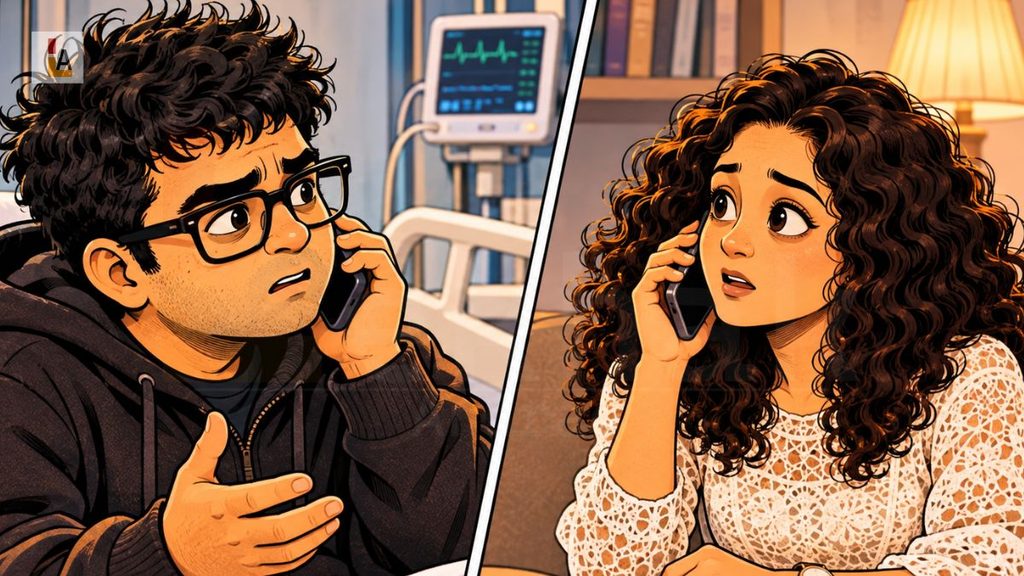
Even after our mother’s discharge, she has continued checking on her condition and taking regular updates. Nowadays, most of our conversations are about our mother. We used to share reels, and she was my go-to person for all my rants about my personal and professional life. However, this whole month, everything else has taken a back seat. She has relentlessly tried to help wherever and whenever she could, and I cannot thank her enough for her support despite dealing with difficulties in her own personal life.
My brother-in-law also remained in touch. A couple of his friends called to check on me, and one of them even arranged breakfast for me.
Throughout these difficult days, I also had a guardian angel looking out for me. Someone who stood by me quietly, offering both financial and moral support when I needed it most. There were moments when that reassurance made an enormous difference. I may not be able to acknowledge this person by name, but I know how much their support meant to me.
I am grateful for all of that. Despite having people who cared, however, I felt terribly alone. And I still do, sometimes. Every time I think about how lonely I am, I want to cry. But I cannot. Not now. At least not for a few months…
The loneliness nobody prepares you for
There is a particular kind of loneliness that comes with sitting outside an ICU. You are surrounded by people. Doctors walk past, nurses move between departments, families sit together discussing patients, and hospital staff go about their work. There are also arguments and fights between the guards outside the ICU and family members of patients admitted inside. No one prepares you to witness all this. There are so many people around in the hospital, yet you can feel completely alone.
There were moments when I sat waiting for Dr Swati Garg and looked around at other families. Some had several relatives accompanying them. Someone would handle the paperwork, someone would speak to the doctor, and someone else would bring food or simply sit with the family.
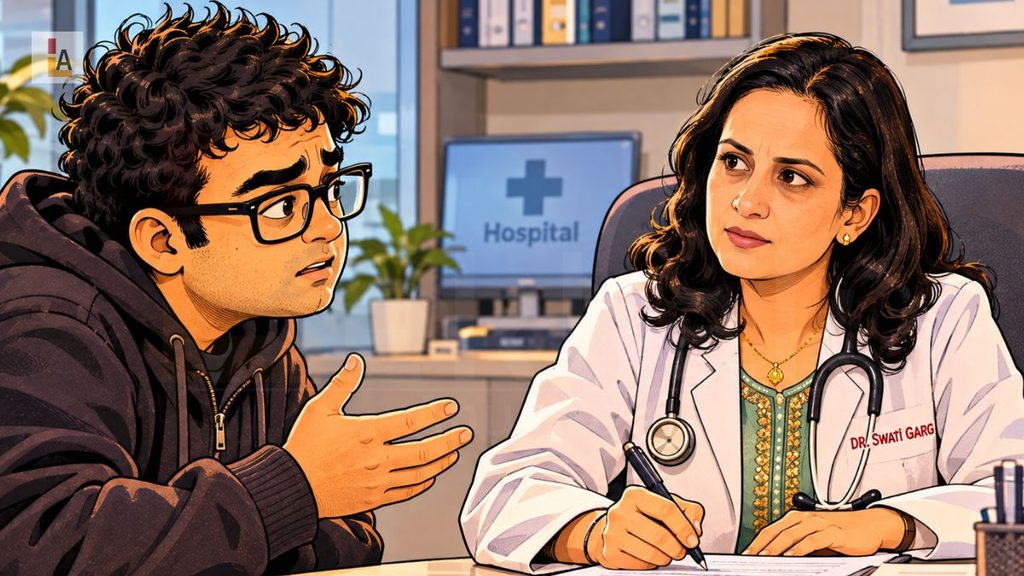
I was often there by myself. I had people available over the telephone, and I am grateful for that. But when I needed to walk to the reception, speak to the doctor, collect something or make a decision, I was usually the one doing it. I would message my sister in panic throughout the day. Her replies did calm me down, but they were not enough. I continued to panic over the smallest things, but in the end, it was I who had to manage everything, and I did.
I do not mention this to seek appreciation for looking after my mother. She is my mother, and I would do whatever I could for her. I mention it because I had never imagined how mentally exhausting it could be to handle a medical emergency without someone physically beside you for much of the day.
Sometimes, I did not need advice. I did not need someone to tell me to remain positive or assure me that everything would be fine. I just wanted someone to sit next to me, someone who could remember the questions I had forgotten to ask, handle a telephone call while I spoke to the doctor or simply share the silence.
Instead, I often found myself sitting outside the ICU, looking at my phone and trying to work out what I needed to do next. Whenever I had nothing to do, my mind would return to my mother.
Would she recover? Would she regain her mobility? How much longer would she need hospital care? What if another complication developed? I could not answer any of those questions. I could only wait.
The loneliness of those days still troubles me.
The financial reality of a medical emergency
Before October, I understood that serious medical treatment could be expensive. I had no idea how quickly money could disappear.
My mother had health insurance through a policy held by my sister. The cover was Rs 10 lakh, and the insurer, New India Assurance, processed the cashless approvals in a timely manner. That was an enormous relief.
The hospital’s Third-Party Administrator (TPA) department coordinated with the insurance company and handled the formalities required for cashless treatment. During a medical emergency, timely insurance approval can spare a family an extraordinary amount of additional anxiety. I remain genuinely thankful to the insurer and the hospital’s TPA team for their assistance.
But the hospital bill was only one part of the financial pressure. There were other expenses, and we were already being told that my mother would require substantial assistance after discharge.
I have a limited salary and limited savings. I had never imagined how quickly savings accumulated over years could be depleted when a serious illness struck the family. You spend years putting money aside, imagining that it will provide some security. Then a medical emergency arrives, and suddenly you are calculating expenses that you had never previously considered.
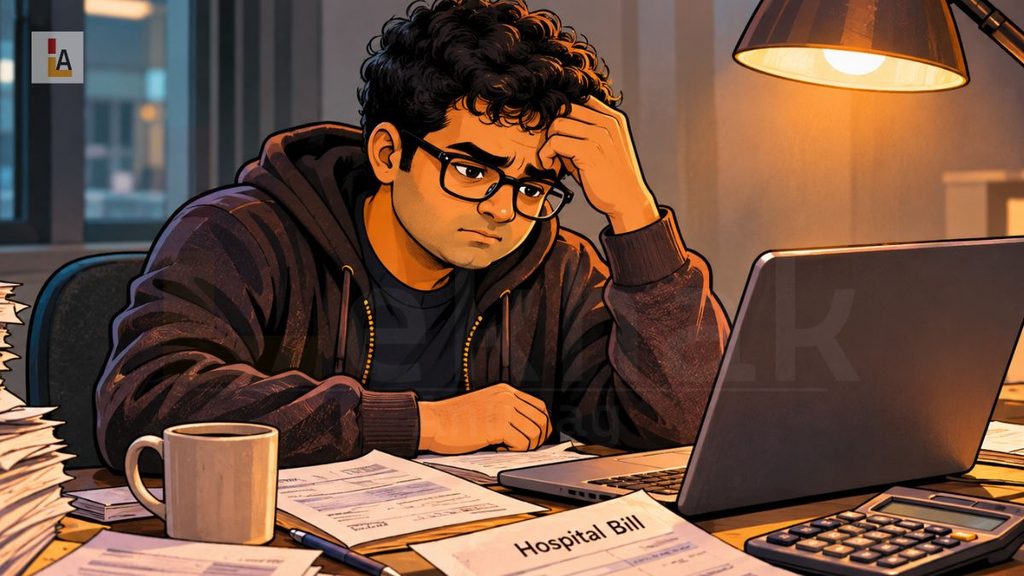
The frightening part is that you cannot predict the final amount. You do not know how long the patient will remain hospitalised, what additional treatment might become necessary or what care will be required afterwards. There is no fixed budget for a medical emergency, and when you are dealing with someone you love, you cannot simply postpone an essential expense until the following month.
Another lesson I learnt was the importance of having immediate access to emergency funds. Money may exist within a family, but if the person who manages it suddenly becomes incapacitated, accessing it can become another complication.
The experience also made me realise how important medical documentation is. Previous reports, prescriptions, investigation results, insurance details, identity documents and treatment records should be organised and readily accessible. When you are already mentally exhausted, searching for an old medical report or trying to remember where a document has been kept becomes an additional burden.
I wish I had prepared better.
Coming home was not the end of the crisis
My mother was discharged on 17th October. I had been waiting for that day for almost two weeks, and I was relieved that she was finally coming home.
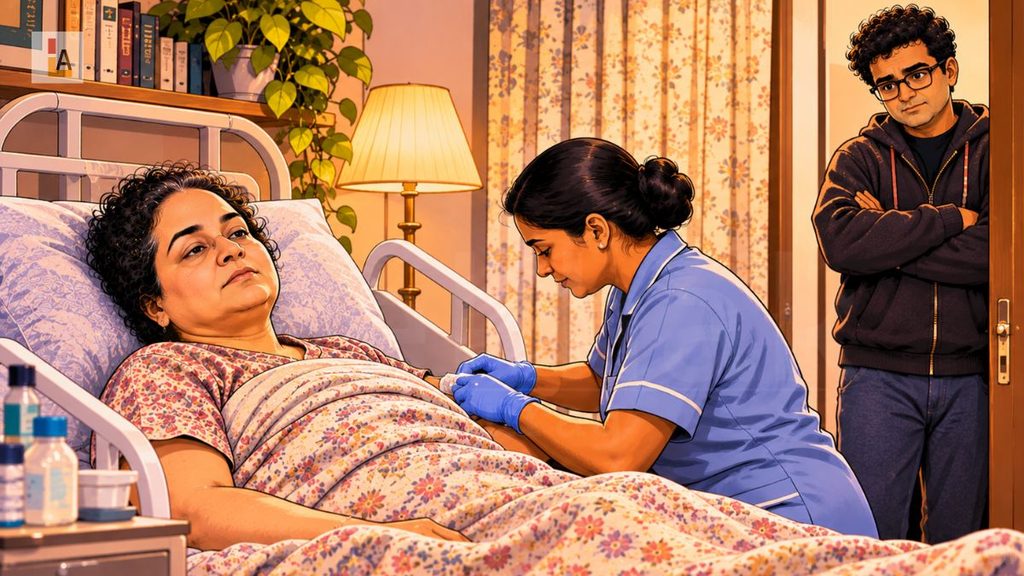
But I soon discovered that a hospital discharge does not necessarily mean that the crisis has ended. Sometimes it simply means that a substantial part of the responsibility for care has shifted from the hospital to the family.
My mother was still unable to move independently. She needed help with routine activities, personal hygiene, medicines and repositioning. Our home was not prepared for that.
We needed an ICU-style bed on rent, a suitable mattress, nursing assistance and a full-time caretaker. We needed equipment to monitor her blood pressure, blood sugar, oxygen saturation and temperature. We also needed medicines and medical consumables.
Then came the things I had never even thought about. Extra utensils, clothes, bedsheets, cleaning supplies and items required for daily personal care. Every time I thought I had finished arranging everything, I discovered something else that was missing.
I would make a list, purchase the required items and return home, only to realise that we needed something more. The number of clothes and household supplies required for someone receiving continuous care can be surprising. Medical consumables also need to be replaced regularly, and many of these purchases cannot wait.
I had spent almost two weeks worrying about getting my mother discharged. Now I was trying to turn our home into a place where she could receive the care she required.
The hidden costs of caring for someone at home
Finding reliable home-care assistance was another challenge. I began exploring private nursing and caretaker services, and the prices shocked me. For a family living on a fixed monthly income, the cost of round-the-clock care can be almost impossible to sustain. Even for me, managing these expenses is proving extremely difficult.
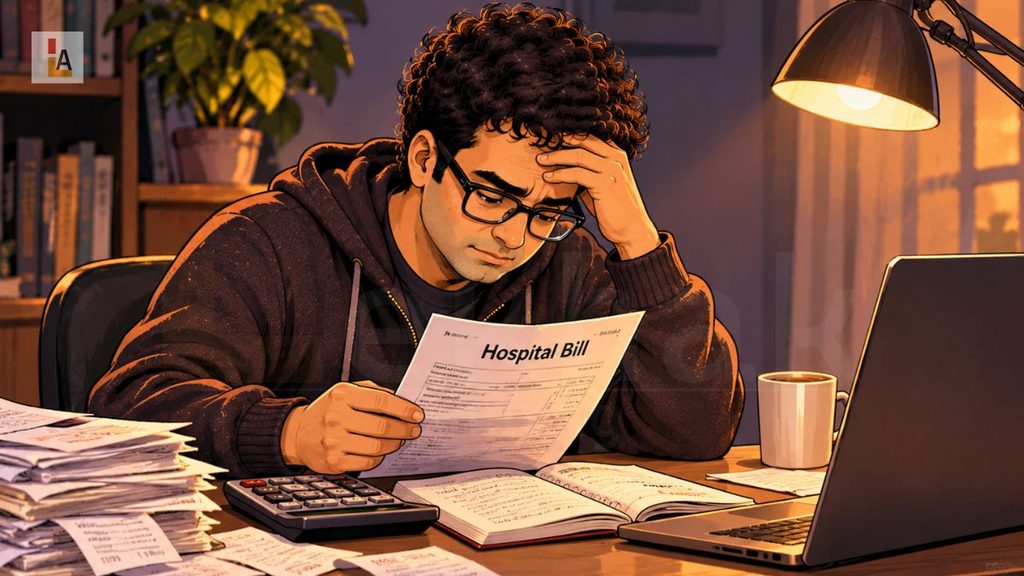
This is where Nishkam helped me again. He took me to the Red Cross, where we were able to arrange nurses and a caretaker at a considerably lower cost than the private home-care options I had explored.
That one intervention substantially reduced the financial burden. Without his help, I do not know how I would have managed the additional expense.
But even with those arrangements, home care remains expensive. The bed has a rental cost, nursing and caretaker services require regular payments, medicines have to be purchased, and medical consumables run out. Investigations, consultations and other expenses continue.
The expenses do not stop simply because the patient is no longer in hospital. In fact, some of the financial pressures become more complicated because there is no single hospital billing department handling everything. You have to manage the different expenses yourself.
There is also the responsibility of ensuring that the care is being provided properly. Are the medicines being administered on time? Are the vital signs being recorded? Is the patient comfortable? Has the caretaker completed the necessary tasks? Are medical supplies running low?
These are questions that now occupy my mind every day. Somewhere in between, I still have my professional responsibilities, my own health problems and an ordinary household to manage.
I am not complaining about having to care for my mother. I am describing how difficult it can become when someone is suddenly required to organise a level of care they have never dealt with before.
The people who made these days bearable
There are several people without whose help these thirteen days, and the period since my mother’s discharge, would have been considerably harder.
First, Nishkam. From making sure I ate on the day of admission to helping arrange affordable nursing and caretaker services through the Red Cross, he was there when practical assistance mattered most. He gave me his time, helped me navigate unfamiliar arrangements and reduced expenses at a point when every rupee mattered. I will always be grateful for that.
I am equally thankful to Avdesh, who has been helping our family for the past three years. He assisted the ambulance personnel during one of the most frightening moments of my life, followed us to the hospital and continued enquiring about my mother’s condition every day until she returned home. His concern and willingness to help meant a great deal to me.
My sister remained an important source of emotional and financial support throughout the hospitalisation. Although she could not travel, she was involved in every development over the telephone and continues to take regular updates about our mother’s recovery. I am also thankful to my brother-in-law and his friends for their concern, telephone calls and assistance.
I owe particular gratitude to Dr Swati Garg, the neurologist at Alchemist Hospital, Panchkula, for her care, patience and guidance during my mother’s treatment. I am equally grateful to the doctors and nurses who looked after my mother during her hospitalisation. Caring for a patient experiencing severe pain, agitation and restricted mobility is not easy, and their efforts deserve recognition.
The hospital’s TPA department deserves special appreciation for coordinating with the insurance company and facilitating the cashless approval process. I would also like to thank New India Assurance for processing the approvals promptly. At a time when I was already struggling to manage multiple responsibilities, that timely assistance provided considerable relief.
A special mention must go to Divya, who works at the hospital reception and is my friend’s sister. Whenever she was in a position to help, she did. I am grateful for her kindness and assistance throughout the process.
I must also thank my seniors at OpIndia, particularly Rahul Roushan sir, Nupur J Sharma ma’am and Sanghmitra ma’am. I was away from work for almost two weeks. Not once did they question my absence or make me feel that my professional responsibilities were more important than the medical emergency at home.
They understood the circumstances and gave me the space I needed. At a time when I was struggling physically, mentally and financially, not having to worry about pressure from the office was an enormous relief. I remain deeply grateful for their understanding.
What these thirteen days have taught me
My mother is home now. She still needs considerable assistance, and her recovery is far from complete.
We have nurses and a caretaker helping with her daily needs. There are medicines to administer, vital signs to monitor, appointments to arrange and numerous small things that need attention throughout the day. I am still learning how to manage it all.
These thirteen days have changed the way I think about medical emergencies. I now understand why adequate health insurance is essential, why emergency savings matter and why medical documents should always be organised.
I have learnt that medical knowledge, even a basic understanding of the treatment process, can make difficult situations easier to navigate. I have also learnt the value of having dependable people around you. Not necessarily dozens of friends or relatives. Sometimes, even one person who is willing to accompany you to a hospital, help with an arrangement or insist that you eat can make an enormous difference.
I have also realised how little I understood about home care before this experience. That realisation prompted me to begin working on CareNest, a small application intended to help families organise and monitor home care. I spend about half an hour on it whenever I can spare the time, hoping that what I am learning through this experience might eventually help other families too.
For now, however, my priority remains my mother’s recovery.
There are moments when I look at her lying in bed and remember how things were just a few weeks ago. She would be sitting somewhere, doing a little household work, taking a break when she became tired, occasionally asking me what I wanted to eat.
At the time, none of it seemed particularly important. It was simply everyday life.
Today, I would give anything to have those ordinary days back. To see her get up on her own, watch her move around the house again, hear her complain about some small household inconvenience and perhaps, one day, hear her ask me what I would like for dinner.
I hope that day comes soon.